Conservation
Explore wildlife, habitats, biodiversity, adaptation, stewardship, preservation, and our relationship with the natural world.
Concord, California · K-12 education
Bring wildlife, culture, history, and conservation to life through educational tours for grades K-12.
About the Museum
The World Wildlife-Heritage Museum is a 501(c)(3) nonprofit organization dedicated to K-12 education, with a primary focus on environmental conservation, wildlife protection, and sustainability.
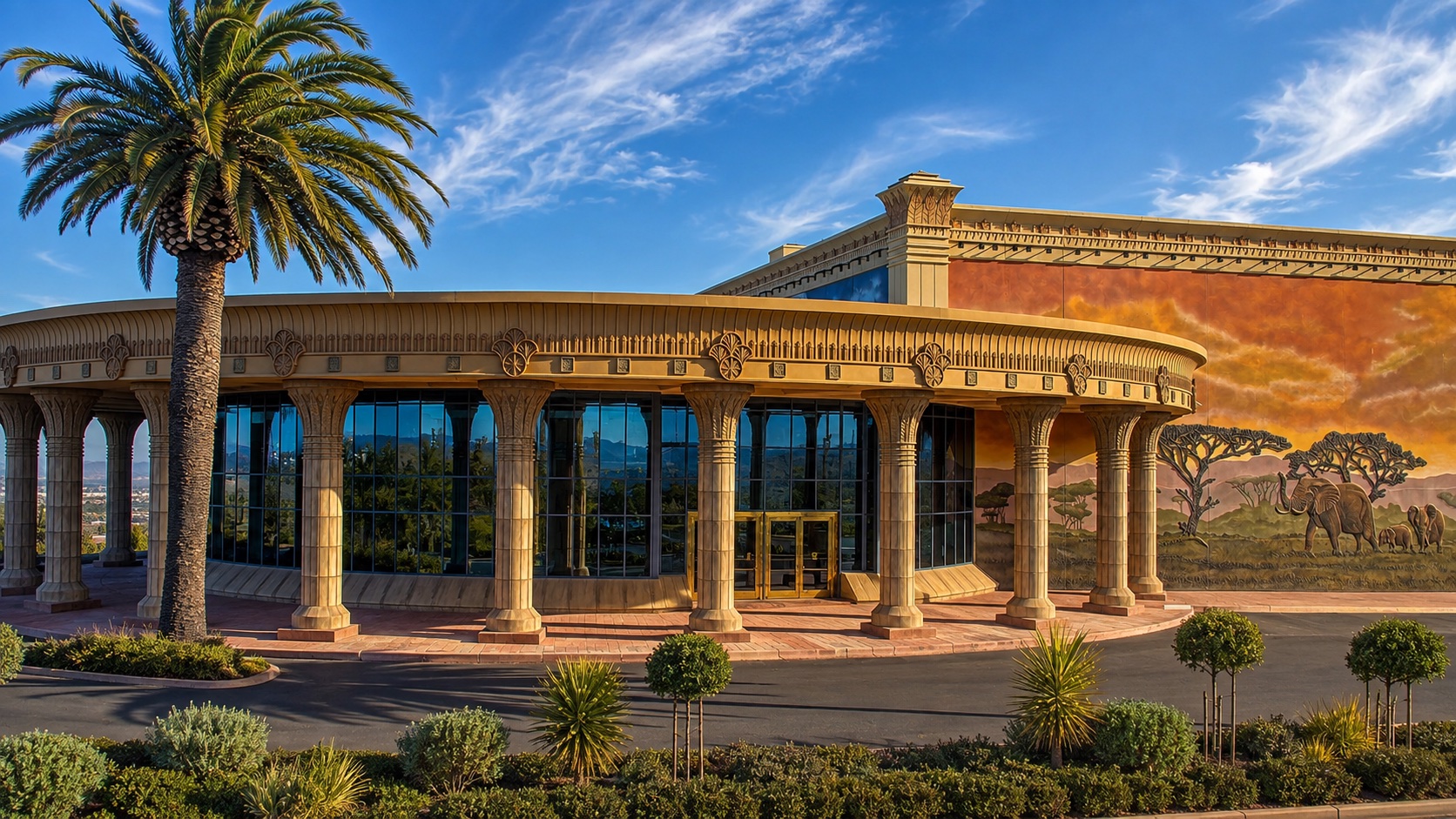
Our mission is to present an authentic view of wildlife across all seven continents while exploring world cultures, the expansion of the American West, and the ongoing challenges of environmental conservation.
Explore wildlife, habitats, biodiversity, adaptation, stewardship, preservation, and our relationship with the natural world.
Connect artifacts and specimens with history, social science, geography, environmental science, anthropology, and the arts.
Discover cultures, migration, innovation, local history, and stories that connect people across places and generations.
What to expect on your field trip
Visitors can choose between a general tour covering the full range of collections, or a specialized tour focusing on one educational subject.
Schedule Your Tour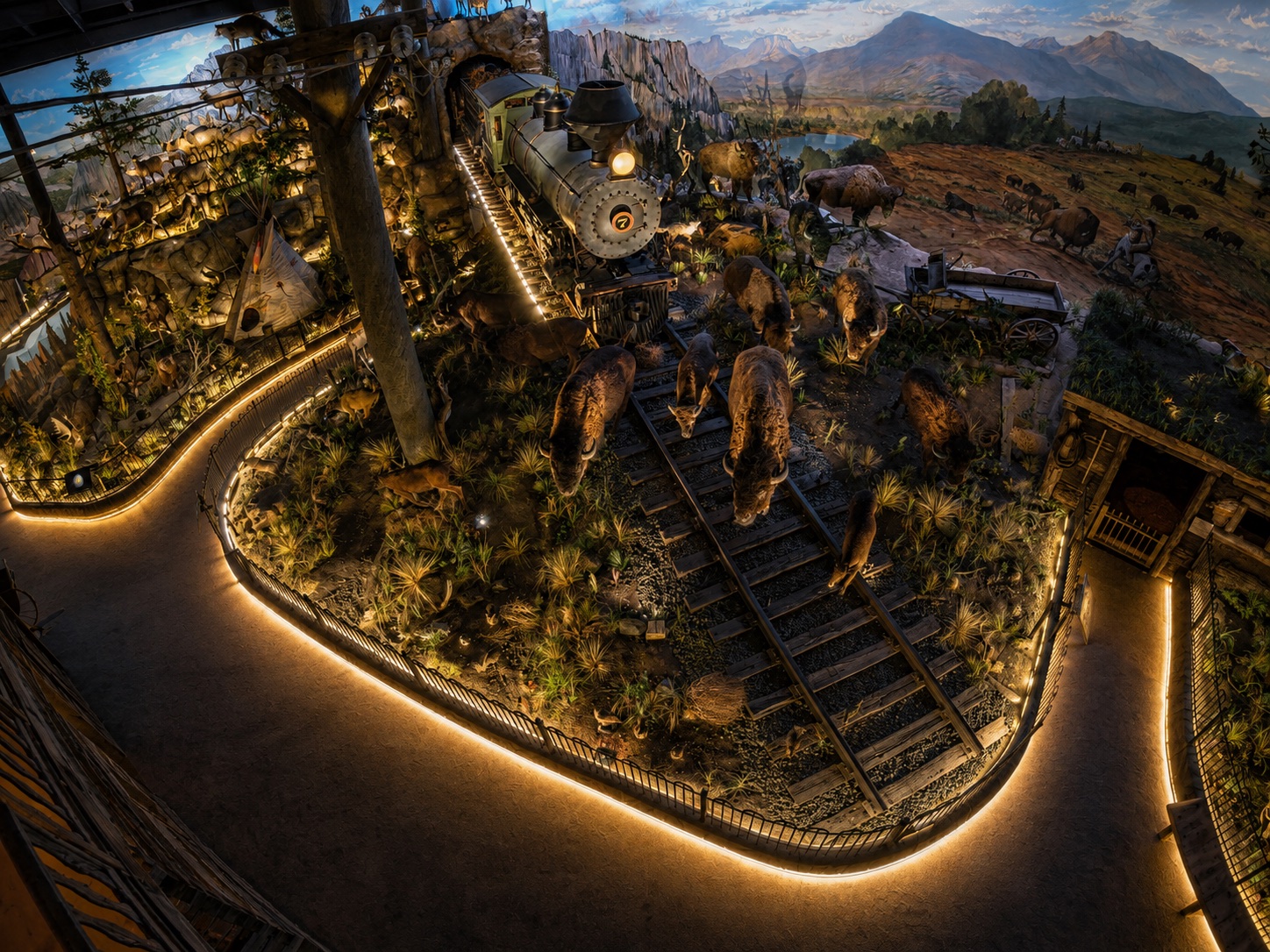
Grade-level experiences
Tours are adjusted to meet the academic and developmental needs of each visiting group.
Close observation, exploration, open-ended questions, guided discovery, movement-based activities, and age-appropriate worksheets build foundational understanding.
Students investigate causes and effects, compare perspectives, evaluate evidence, make observations, draw conclusions, and connect exhibits to classroom concepts.
Complex questions, historical interpretation, multiple viewpoints, social systems, cultural change, and contemporary relevance support advanced coursework.
Choose your learning focus
Specialized tours connect exhibits and collections with classroom learning across science, history, culture, geography, and the arts.
Investigate wildlife from around the world through animal adaptations, habitats, biodiversity, survival, and conservation.
Africa · Asia · Europe · Oceania · The Americas · The Arctic and Antarctic
View tour guide for World Wildlife in a new tabExamine how people have adapted to their environments, expressed beliefs, developed customs, and built connections across societies.
Native Americans · African Art · Maasai life · Eurasian Steppe
View tour guide for World Cultures in a new tabDiscover ancient ecosystems and life-size recreations while learning how scientific evidence helps us understand Earth's past.
Jurassic · Cretaceous · Extinction · Ice Age · Early Humans
View tour guide for Prehistory in a new tabExplore cultures, lifestyles, traditions, tools, artwork, trade, beliefs, and the effects of westward expansion.
Everyday Life · Art & Craftsmanship · Belief Systems · The Great Plains
View tour guide for Native Americans in a new tabStudy nineteenth-century movement across North America through frontier life, transportation, mining, commerce, and community development.
The Wild West · The Transcontinental Railroad · The Fur Trade · California Gold Rush
View tour guide for Westward Expansion in a new tabDiscover how local people and events shaped the region through community development, industry, transportation, and everyday life.
California Native Americans · The Port Chicago Disaster · California’s Historic Fishing Communities · Joe DiMaggio
View tour guide for Local History in a new tabSchool Bus Fund
The World Wildlife-Heritage Museum offers a School Bus Fund to help qualifying schools offset approved school bus transportation costs for educational field trips to the Museum.
Depending on eligibility, financial need, available funding, and program priorities, the Museum may provide partial or full assistance. Funding is limited, requests are reviewed individually, and approval is not guaranteed.
Eligible schools may generally receive School Bus Fund assistance for up to two field trips per school year. Schools interested in assistance should review the full program guidelines and contact the Museum's Registration Coordinator when scheduling their trip.
View School Bus Fund GuidelinesTeacher resource center
Review our museum overview, tour approach, grade-level experiences, specialized subjects, FAQs, and planning information before your visit.
Our mission, exhibit highlights, tour approach, grade-level experiences, specialized subjects, FAQs, and contacts.
Schedule your visit
Schedule a School Tour, or attend a Teacher Preview Day to explore the Museum before planning a future tour for your students.
School tour selections are not confirmed until the Registration Coordinator contacts you with official confirmation.
Microsoft Bookings
Scheduling opens securely in Microsoft Bookings.
Frequently asked questions
Student groups visit through scheduled guided tours and remain with their organized group under Museum staff supervision. Teacher Preview Days allow educators to explore the Museum as they consider and plan future tours for their students.
Yes. Worksheets, exercises, and activities are integrated into tours to complement the content, reinforce key concepts, and encourage active participation.
Whenever possible, museum staff and docents can incorporate classroom topics, curriculum units, and learning objectives. Share those subjects before the visit so guides can adjust discussions, questions, activities, and emphasis while covering the museum's exhibits.
The museum features mammals, birds, reptiles, marine life, and prehistoric animals from all seven continents. The collection combines preserved wildlife specimens with carefully crafted recreations and reconstructions.
Artifacts, specimens, and exhibits have been acquired through donations, private collections, and partnerships with local organizations.
Our story
The World Wildlife-Heritage Museum began with a childhood memory. After visiting a restaurant filled with wildlife displays, a young Albert D. Seeno Jr. imagined a place that could transport and inspire others with the same sense of wonder.
Years of collecting artifacts, thoughtful planning, and partnership with the Board of Directors transformed a hand-drawn sketch on butcher paper into the World Wildlife-Heritage Museum.
World Wildlife-Heritage Museum®
For educational programming, Bus Fund questions, administration, operations, vendor inquiries, or general information, contact our team through our secure online form.
Contact Us opens Microsoft Forms in a new tab